
A request for “17 mm galvanized Lochband” may appear clear, but it still leaves several important questions unanswered.
What is the actual thickness? How large are the holes? Is the strip made from pre-galvanized steel, or is it galvanized after punching? Is the roll exactly 10 meters long? Are the edges suitable for manual handling? Does the packaging meet the requirements of a German retail channel?
Two products can carry the same basic description while differing substantially in rigidity, material weight, corrosion resistance, installation behavior, and cost.
For German importers and distributors, a reliable order begins with a measurable specification. This guide explains how to define Lochband, compare different options, evaluate samples, and reduce risk before bulk production.
What Is Lochband?
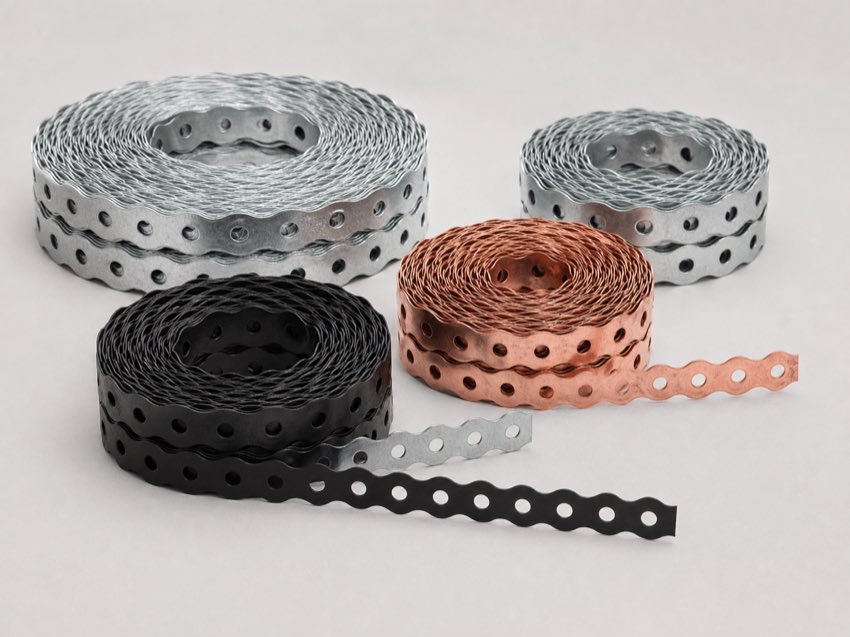
Lochband is the German term commonly used for a flexible metal strip with a repeated hole pattern. It can be cut to length, bent around components, and secured with screws, bolts, anchors, or other fasteners.
Depending on the market and application, similar products may be described as:
- Lochband
- Montagelochband
- Montageband gelocht
- Rohrbefestigungsband
- Perforated fixing band
- Perforated mounting band
- Perforated metal strap
- Hanger strap
These terms often overlap, but they do not always refer to identical products.
Lochband is a broad product name. A buyer still needs to define the dimensions, material, surface treatment, hole pattern, roll length, and intended application.
What Information Defines a Lochband Specification?
A complete specification should contain enough information for the product to be manufactured, inspected, and reordered without relying on assumptions.
Finished Width
German buyers normally specify width in millimeters.
Widths commonly listed in the German market include 12, 17, 19, and 20 mm. Other widths may be produced for specific distributors, brands, or industrial applications.
If an existing product is specified in inches, the conversion must be stated clearly:
- 1/2 inch equals 12.7 mm
- 3/4 inch equals 19.05 mm
The buyer should confirm whether the converted dimension is acceptable or whether an exact metric width is required.
Actual Thickness
Thickness should be stated in millimeters rather than gauge alone.
Gauge can be useful in North American markets, but it may create uncertainty in a German order. Different gauge references do not always produce the same theoretical thickness, and the finished product may vary after coating.
A specification should state:
- Actual strip thickness
- Permitted tolerance
- Whether thickness includes the coating
- Measurement method
Even a small difference in thickness can affect rigidity, bendability, material weight, packaging, and price.
Hole Diameter
Hole diameter affects the screws, bolts, and washers that can be used with the band.
If the hole is too small, the intended fastener may not fit. If it is too large, a small screw head may not cover the opening securely.
The buyer should specify the finished hole diameter, particularly when the product is coated after punching.
Hole Pitch
Hole pitch is normally measured from the center of one hole to the center of the next.
It affects:
- Fastener positioning
- Installation adjustment
- Bending behavior
- The amount of steel remaining between holes
- Product appearance
Consistent hole pitch is also an important indication of stable punching and feeding during production.
Roll Length
Rolls commonly sold in Germany include 3, 5, and 10 m lengths. Professional distributors may require other lengths for contractor or industrial customers.
A purchase specification should define:
- Nominal roll length
- Permitted length tolerance
- Whether spliced material is allowed
- How the roll will be measured
- Required roll weight, where relevant
A roll that is consistently shorter than stated creates a direct commercial problem, even if the steel itself is acceptable.
Material
The material description should be more specific than “metal strap.”
Depending on the application, options may include:
- Galvanized steel
- Hot-dip galvanized steel
- Plastic-coated steel
- Stainless steel
- Other special finishes
For stainless steel, the required grade should be stated. Different stainless grades do not provide the same corrosion resistance.
Dimensional Tolerances
A drawing or specification sheet should include acceptable tolerances for:
- Width
- Thickness
- Hole diameter
- Hole pitch
- Roll length
Without agreed tolerances, a buyer and manufacturer may measure the same product and reach different conclusions about whether it is acceptable.
Common Lochband Sizes in Germany
German retail listings commonly include products such as:
- 12 mm × 3 m
- 12 mm × 10 m
- 17 mm × 5 m
- 17 mm × 10 m
- 19 mm × 5 m plastic-coated band
- 20 mm × 3 m
- 20 mm × 10 m
These are market-listed sizes rather than universal German standards.
A hardware retailer may prefer compact rolls that fit easily on a shelf. A professional HVAC or construction distributor may prefer longer rolls, heavier material, or packaging designed for frequent jobsite use.
When planning a German product range, consider:
- Target customer
- Intended application
- Retail or professional sales channel
- Required shelf price
- Packaging dimensions
- Competitor specifications
- Expected annual demand
Existing inch, foot, and gauge specifications should not be transferred directly to German packaging without checking whether they suit the market.
Distributors planning larger orders should also consider roll length, packaging, repeat-order consistency, and total landed cost.
Galvanized, Hot-Dip Galvanized, Plastic-Coated or Stainless?
The surface treatment affects corrosion resistance, appearance, handling, and price.
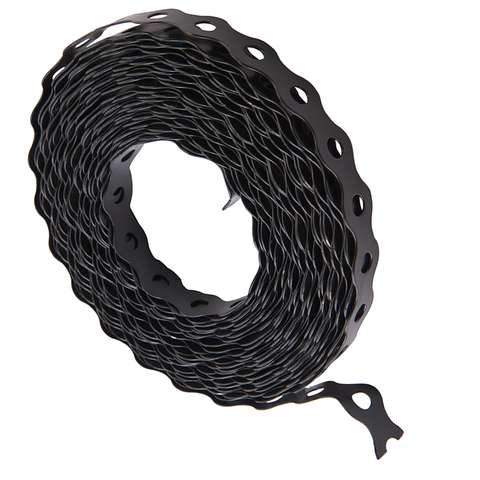
Galvanized Lochband
Lochband verzinkt is a common commercial description, but the word verzinkt does not fully define the product.
Buyers should confirm:
- Galvanizing process
- Zinc coating specification
- Appearance requirements
- Condition of punched holes and cut edges
- Storage and packaging method
Galvanized steel is widely used for general indoor fixing, construction, pipe positioning, and installation work.
It should be described as corrosion-resistant, not rustproof. Performance depends on the coating, environment, handling, and exposure time.
Hot-Dip Galvanized Lochband
Hot-dip galvanized products are often considered for applications requiring greater corrosion protection.
However, the production sequence matters.
One product may be punched from steel that was already galvanized. Another may be galvanized after punching and forming. These processes can produce different levels of protection at the holes and cut edges.
Galvanizing after fabrication may provide more complete surface coverage, but it can also affect:
- Hole diameter
- Surface appearance
- Coating buildup
- Flexibility
- Dimensional tolerance
The specification should identify the required result rather than relying only on the term feuerverzinkt.
Plastic-Coated Lochband
Plastic-coated or kunststoffummantelt Lochband may be selected when direct metal contact is undesirable.
Possible applications include:
- Pipe positioning
- Conduit support
- Cable protection sleeves
- General equipment organization
- Light-duty fastening
Before ordering, confirm:
- Coating material
- Coating thickness
- Color
- Adhesion
- Flexibility
- Temperature range
- Resistance to cracking
- Finished hole dimensions
Plastic coating does not automatically make the product suitable for permanent outdoor exposure.
Stainless Steel Lochband
Stainless steel may be appropriate for humid, outdoor, coastal, food-processing, or chemically demanding environments.
The required stainless steel grade should be included in the order. A general description such as Edelstahl is not enough to evaluate corrosion performance.
Stainless steel also affects material cost, cutting behavior, bending force, and tooling wear. It should be selected based on the application rather than used as a universal upgrade.
Buyers comparing corrosion resistance can also review the differences between galvanized and stainless steel hanger strap before selecting a material.
Matching Lochband to the Application
The intended use influences every part of the specification.
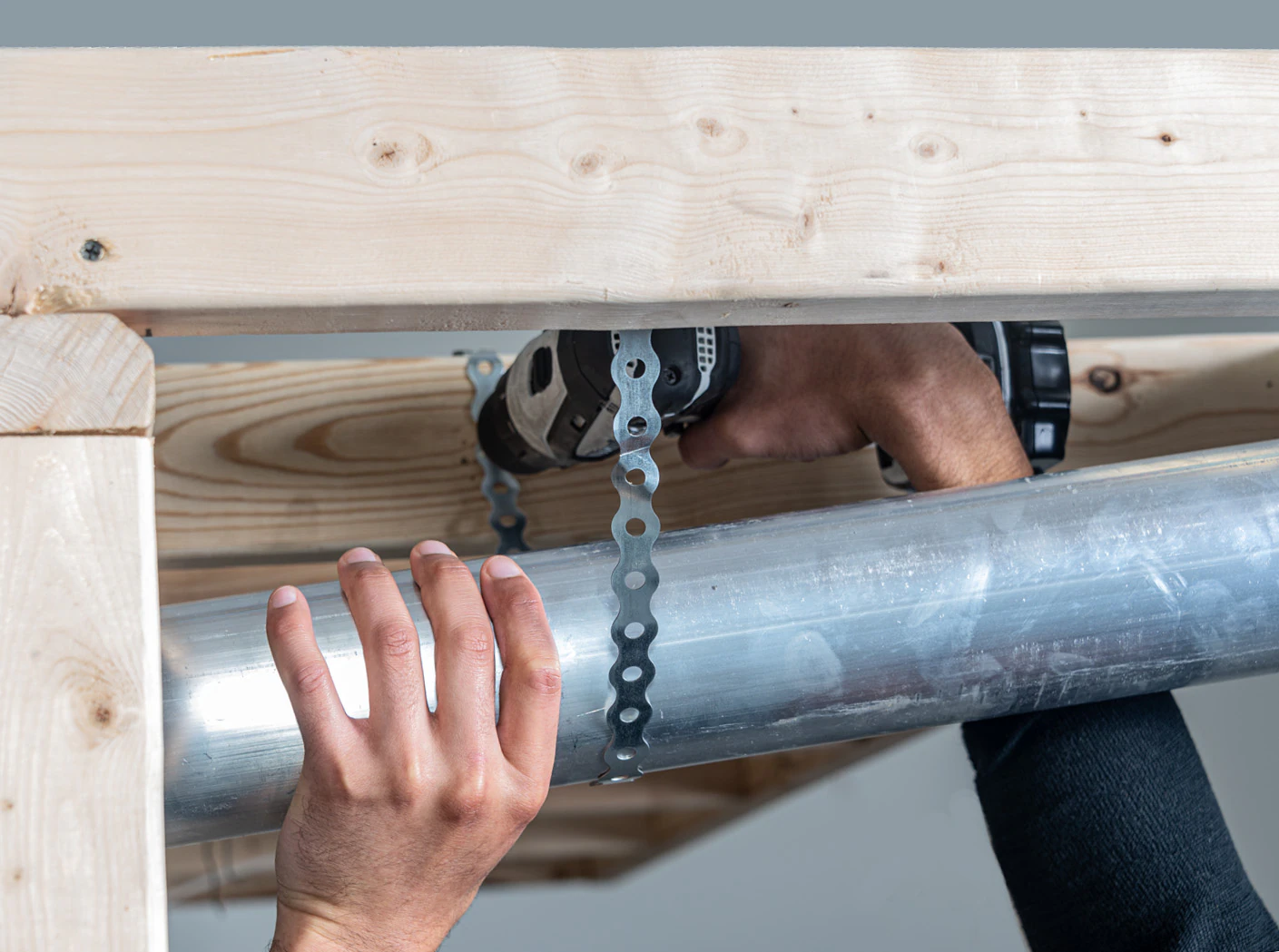
Pipe and Conduit Fixing
First determine whether the band will carry weight or simply prevent movement.
A lightweight electrical conduit is different from a pipe filled with water. Buyers and installers should consider:
- Pipe diameter
- Pipe weight
- Contents of the pipe
- Vibration
- Base material
- Fastener type
- Number of fixing points
- Indoor or outdoor exposure
For heavier or safety-relevant piping, a dedicated pipe clamp or rated support system may be more appropriate.
HVAC Installation
Perforated fixing band may be used for positioning or supporting HVAC ductwork.
The final performance depends on:
- Duct dimensions
- Duct weight
- Insulation
- Support spacing
- Installation direction
- Number of fixing points
- Fastener and substrate
- Vibration
A general Lochband roll should not be assigned one universal load capacity without defining the complete installation and test conditions.
For a closer look at duct size, installation conditions, and strap selection, see our HVAC hanger strap selection guide.
Timber Fixing
Lochband is also used for fixing and bracing timber components.
The condition of the timber is important. Old, wet, split, or soft wood may not hold a screw securely, regardless of the thickness of the metal band.
Structural bracing must also be distinguished from general fixing. Where the connection is structurally relevant, the appropriate engineered product and project requirements should be followed.
Cable and Electrical Applications
For cable sleeves and conduit, edge and hole quality deserve particular attention.
Heavy burrs may:
- Damage protective sleeves
- Make installation less safe
- Interfere with coating
- Create customer complaints
A coated band can reduce direct metal contact, but the coating should remain intact after bending and fastening.
Outdoor Applications
Outdoor performance depends on more than the band.
The fastener, washer, substrate, moisture retention, drainage, and local environment all affect service life. A galvanized strip combined with an unsuitable fastener may develop corrosion at the connection.
For wet, coastal, or chemically aggressive environments, the material and fastening system should be reviewed together.
Why Two 17 mm Lochband Products May Not Be Equivalent
A quotation describing only “17 mm galvanized Lochband, 10 m roll” leaves several purchasing risks unresolved.
Two offers may differ in:
- Actual thickness
- Hole diameter
- Hole pitch
- Steel grade
- Zinc coating
- Weight per meter
- Roll length tolerance
- Edge condition
- Winding tension
- Packaging strength
A thinner strip may be cheaper and easier to bend, but it may not provide the rigidity expected by professional users. A heavier strip may offer greater stiffness but be harder to cut and unsuitable for some retail applications.
For a fair comparison, buyers should evaluate:
- Price per roll
- Price per meter
- Net weight per roll
- Price per kilogram
- Actual thickness
- Roll length tolerance
- Packaging included
- Inspection requirements
- Available documentation
Price per roll alone rarely tells the full story.
Quality Points to Check Before Bulk Production
A good product sample is useful, but it does not guarantee consistent mass production. Quality requirements should be defined before the order is placed.
Dimensions
Check:
- Width
- Thickness
- Hole diameter
- Hole pitch
- Roll length
The inspection method and acceptable tolerances should be agreed in advance.
Edges and Punched Holes
Inspect for:
- Sharp edges
- Heavy punching burrs
- Deformed holes
- Cracks between holes
- Hole misalignment
- Coating damage
The product should remain practical to handle, cut, bend, and fasten.
Surface Condition
Look for:
- Red rust
- White rust
- Scratches
- Oil contamination
- Stains
- Uneven coating
- Peeling plastic
- Color inconsistency
Storage and packaging are part of surface protection. Galvanized material packed while damp may develop white rust during transportation.
Roll Condition
The roll should be:
- Wound evenly
- Secure during handling
- Compatible with its packaging
- Free from uncontrolled tangling
- Consistent in outside diameter where required
Loose or uneven rolls can jam inside dispenser boxes and create problems on retail shelves.
Batch Consistency
Inspection records should identify:
- Production batch
- Inspection date
- Sample quantity
- Dimensions checked
- Results
- Inspector
A physical approved sample can also be retained as a reference for repeat orders.
Consistent inspection records are also useful when comparing potential hanger strap suppliers for repeat orders.
Documents German Buyers May Need
Documentation requirements depend on the product, material, intended use, and sales channel.
Relevant documents may include:
- Material declaration
- Steel grade information
- Coating information
- Inspection report
- Batch identification
- Country of origin
- REACH and SVHC information
- Test reports supporting performance claims
- Packaging material information
The documentation should identify the actual product being supplied. A generic declaration with no connection to the material or production batch has limited value.
Does Lochband Require CE Marking?
Not automatically.
CE marking is not a general quality symbol. It applies only when a product falls within relevant EU harmonization legislation.
Before requesting or applying CE marking, the parties should determine:
- Intended use
- Product classification
- Whether an applicable harmonized standard exists
- Whether the product is part of a regulated construction or installation system
- Which conformity assessment route applies
A supplier should not add a CE mark simply because the goods will be sold in Germany.
REACH and Product Safety Information
REACH concerns chemical substances present in materials, coatings, and finished articles. Accurate information about the steel, zinc coating, plastic coating, paint, oil, or other surface substance helps the EU importer evaluate its responsibilities.
For retail and online sales, product identification, traceability, warnings, and responsible economic operator information may also be relevant.
The required information should be reviewed according to:
- Intended application
- Professional or consumer use
- Retail or industrial sales channel
- Packaging format
- Material and coating
Avoid treating REACH, CE, RoHS, and general product safety requirements as interchangeable.
Packaging for German Distribution
Packaging should be approved with the product rather than after production.
A German retail label may need to show:
- German product name
- Width in millimeters
- Thickness in millimeters
- Length in meters
- Material
- Surface treatment
- Intended use
- Relevant warnings
- EAN or GTIN barcode
- Batch or traceability code
- Country of origin
- Required company details
A cardboard dispenser box can protect the roll and allow users to pull out the required length without removing the complete coil.
The packaging test should confirm:
- The roll rotates freely
- The band does not catch inside the box
- The outlet does not damage the coating
- The carton supports the product weight
- Labels remain readable
- The outer carton protects retail boxes
- The pallet arrangement is suitable for transport
Packaging responsibility should be confirmed with the importing party. The applicable requirements depend on the packaging type, sales channel, and which business first places the packaged product on the German market.
The EU Packaging and Packaging Waste Regulation begins applying from August 12, 2026, so existing packaging arrangements should be reviewed before repeat orders are approved.
How to Approve a Lochband Sample
A structured sample process reduces the risk of disputes after shipment.
Confirm the Written Specification
Approve the dimensions, tolerances, material, coating, packaging, and labeling before requesting final samples.
Request a Production-Representative Sample
Confirm that the sample uses the intended raw material, tooling, coating process, and packaging method.
A specially prepared hand sample may not represent normal production.
Measure the Sample
Record:
- Width
- Thickness
- Hole diameter
- Hole pitch
- Roll length
- Roll weight
Visual approval alone is not enough.
Test Handling and Installation
Cut, bend, unroll, and fasten the sample with the intended tools and fasteners.
Check for:
- Excessive stiffness
- Sharp edges
- Cracking
- Coating separation
- Tangling
- Poor fastener fit
This practical check does not replace a formal load test, but it can identify many avoidable problems.
Approve the Packaging
Review the box, label, barcode, dispenser function, outer carton, and pallet arrangement.
Retain an Approved Reference
The buyer and manufacturer should keep matching approved samples. These samples can be used when inspecting the production batch or investigating a later complaint.
Common Sourcing Mistakes
Specifying Gauge Without Millimeters
Gauge alone may lead to different interpretations. State the required finished thickness in millimeters.
Treating All Galvanized Surfaces as Identical
The word verzinkt does not define the galvanizing process, coating level, or protection at cut edges.
Comparing Only Price per Roll
A lower price may reflect lower weight, reduced thickness, shorter length, or simpler packaging.
Ignoring Fastener Compatibility
The fastener may not fit the hole, or the screw head may not cover it securely.
Assuming One Load Value Applies to Every Installation
Performance depends on the band, fastener, substrate, support spacing, and installation direction.
Using U.S. Specifications on German Packaging
Feet, inches, and gauge should not be the only measurements shown for the German market.
Requesting Irrelevant Certificates
CE, REACH, RoHS, and product safety rules have different purposes. Their applicability should be assessed rather than assumed.
Approving the Metal Band but Not the Packaging
An acceptable roll can still fail commercially if the box tears, the dispenser jams, or the label is incomplete.
Frequently Asked Questions
What is Lochband called in English?
Common English terms include perforated fixing band, perforated mounting band, perforated metal strap, and hanger strap.
What sizes are commonly sold in Germany?
Common German retail listings include 12, 17, 19, and 20 mm widths and 3, 5, and 10 m roll lengths. These are market-listed sizes, not mandatory standards.
What is the difference between verzinkt and feuerverzinkt?
Verzinkt is a general description meaning galvanized. Feuerverzinkt refers to hot-dip galvanizing. Buyers should still confirm the production sequence, coating specification, and protection at holes and edges.
Is plastic-coated Lochband suitable for pipe fixing?
It may be suitable when covered contact is preferred, but the decision depends on pipe weight, temperature, vibration, coating durability, fasteners, and environment.
Does Lochband need CE marking in Germany?
Not in every case. CE marking applies only when the product falls within relevant EU harmonization legislation.
What should be checked before a bulk order?
Confirm the dimensions, tolerances, material, coating, hole pattern, roll length, edge condition, packaging, required documents, and inspection method.
Final Thoughts
German buyers do not need another vague description of a strong metal fixing band. They need a specification that can be measured, inspected, and repeated.
A clear Lochband order defines the actual thickness, metric width, hole diameter, hole pitch, roll length, material, coating, tolerance, packaging, and intended sales channel.
Before bulk production, approve a representative sample, test it with the intended fasteners, inspect the packaging, and retain a reference sample. These steps are far easier than resolving a specification dispute after the shipment arrives.
For a production review, provide the required metric dimensions, application, coating, packaging format, annual volume, and documentation needs. The specification should be settled before the final quotation—not after manufacturing has started.
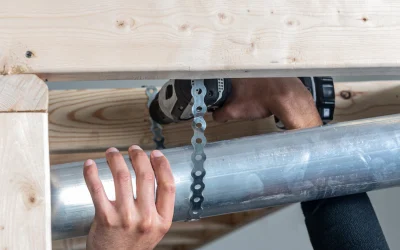
10 Best Steel Strapping Suppliers in 2026: Rated and Compared
Introduction Choosing among steel strapping suppliers in 2026 comes down to one honest question: are you buying a commodity band, a strapping system, or a private-label product? The answer decides which supplier is actually right for you — a global packaging house...
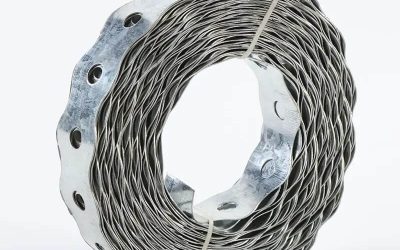
12 Best Metal Strap with Holes in 2026: Rated and Compared
Introduction A metal strap with holes — perforated hanger strap, plumber's tape, pipe strap — is one of the cheapest products on a truck and one of the easiest to buy wrong. The wrong gauge sags under a water line; the wrong coating rusts through in a crawl space; the...
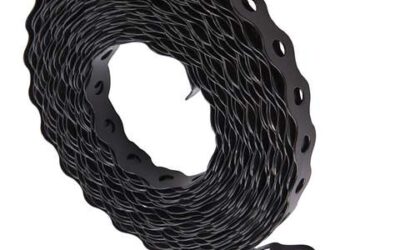
Perforated Hanger Strap vs Tube Strap: A Distributor’s Guide to Quoting the Right Product
Two Products, One Word: Why Distributors Get Them Mixed Up The perforated hanger strap vs tube strap question is simpler than it looks, and getting it wrong is expensive: ask a new purchasing clerk for "steel strap" and you may receive either of two completely...

Justin Wong
Hi, I’m Justin, the technical engineer of Jiangmen Masters. We’ve been running a factory in China that makes metal hanger strap for 16 years now, and the purpose of this article is to share the knowledge related to metal hanger strap from a Chinese supplier’s perspective.